A good friend of mine is a successful insurance broker. With his partners, he grew his firm to more than 20 employees across several offices. His success comes from a strong focus on both clients and employees.
Insurance brokerage is operationally heavy. Brokers handle thousands of administrative tasks every week. When clients call, they are often in a stressful situation (burglary, water damage, accidents) or unhappy about fees, asking for better terms, or threatening to leave.
My friend decided to look at the data. He ran a simple analysis in his CRM: for each client, he divided the commissions earned (the broker’s revenue) by the number of CRM activities linked to that client (emails, calls, notes). When the revenue per activity dropped below €10, the client was flagged as time-consuming and unprofitable.
This produced a list of 415 clients.
He then reviewed the list manually. About two dozen clients were removed from the list – loyal clients with long-term upsell potential, clients dealing with an exceptional claim, or new clients who had not yet reached their steady state.
The remaining clients were tagged in the CRM as “Project 415.”
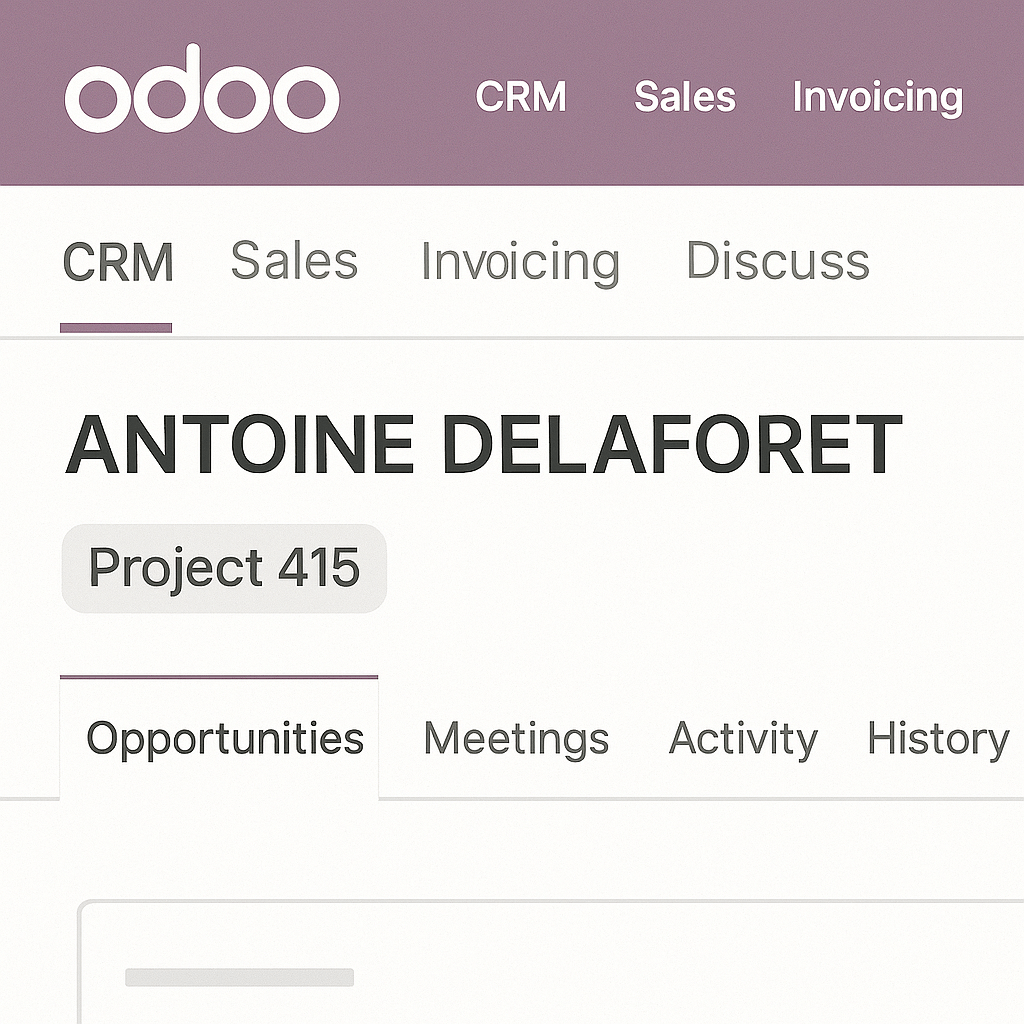
Employees were instructed to remain polite and professional with Project 415 clients, but not to go the extra mile. No special favors. No additional unpaid work. In some cases, employees were even encouraged to subtly suggest that another broker might be a better fit.
Project 415 had two immediate effects.
First, employees were no longer emotionally impacted by difficult interactions. When a Project 415 client complained, yelled, or threatened to escalate, employees did the minimum required to remain professional and moved on. Mental load decreased. Morale improved.
Second, time and attention were freed up for good clients. Those clients received better service, and as a result, shifted more insurance products to my friend’s firm.
As economic uncertainty is increasing, companies should no longer prioritise growth over profitability. Not all revenue is good revenue, and not all clients deserve the same level of attention. Most companies tolerate bad economics and bad behaviour far longer than they should. Often, the problem is not a lack of effort or motivation, but unclear rules about where time and energy should be spent.
 Miguel's Notes
Leave a comment